
Ana Santacruz, born in Quito, Ecuador, studied ecotourism at university. She now works as a naturalist guide in the Amazon Rainforest, her favorite place in the world. In this interview, she answers a few questions on what her job is like and what ecotourism means to her.
Why did you become a naturalist guide?
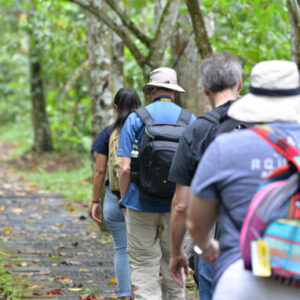
I love nature and when I was a teenager, I wanted to become a biologist. Here in Ecuador, it’s very hard to find a job in that industry, though, so when I found out that it’s possible to study ecotourism, that’s exactly what I decided to do. Being a naturalist guide is a great way to help with nature conservation.
What’s the difference between a naturalist guide and a regular guide?
Just like regular guides, naturalist guides also help people enjoy the area and see the animals. But what naturalist guides do on top of that is educate people on how to preserve nature so that we can keep enjoying these places.
What do you love the most about your job as a naturalist guide?
The animals! Even when you’ve been working in the same place for a long time, you always see different things and there are always new things to learn as well. Seeing animals and how they behave is fascinating! Apart from that, I love interacting with people as well. You get to know people from all around the world, learn from them, and even make new friends.
What is your favorite animal and why?
The animals I love watching the most are monkeys, not a specific type, but monkeys in general. I don’t really have a favorite animal, though. It’s hard to pick a single one because I love all animals: birds, mammals, insects – they’re all so interesting!
Can you tell us something about the area where you are working as a guide?
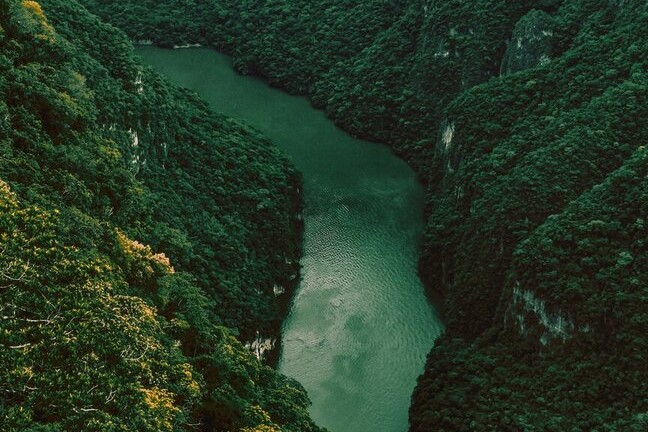
The Amazon is the largest tropical forest in the world. Approximately 60% of it is located in Brazil and just 2% in Ecuador. What we like to say as Ecuadorians is that we have the best and most diverse part of the Amazon, though! (laughs) We have the low, flat Amazon but also the high Amazon, in the Andes Mountains. Thanks to the difference in altitude and temperatures, we have many indigenous species.
How would you define ecotourism?
Ecotourism is based on three things: ecology, society, and economy. The ecological part focuses on nature conservation, whereas the sociological part strives to include local people, tribes, and indigenous groups. The last part, the economy, is based on tourism. The idea is to make money sustainably and to teach the locals and the people who work in the tourism industry to preserve nature. The profit made from tourism then goes to the locals, the guides, and nature preservation.
What is the most important thing about ecotourism to you?
To me, the most significant part is to preserve. Nature is very sensitive and if we destroy it, we won’t be able to live on this planet anymore. We need nature for water, food, oxygen, etc.
Now let’s talk business, what tours are you organizing?
I help people organize sustainable tours around Ecuador. I did this as a freelancer for different companies at first, but soon noticed that there are areas that aren’t covered yet. I think these areas have a lot to offer as well, and by offering tours here, we can also support the locals in these places. My type of tours focus on interacting more with locals and nature in a sustainable way. My clients and I organize the tours together so that it fits their interests. I also offer private transportation, as this is the easiest and nicest way to take tourists to specific areas. Ecuador is very small, so we can easily go anywhere in the country. We like to say that, in Ecuador, you can have breakfast at the coast, eat lunch in the Andes, and have dinner in the Amazon!
What is your number 1 tip to travel more sustainably?
Try not to visit places that are too touristy because this keeps destroying the area you’re exploring. The idea of traveling is to learn and to open your mind, not just to share nice pictures. Focus on areas that are not visited too much and respect these places.
Can you tell us what not to do when we’re visiting the Amazon?
Don’t put your expectations too high. In real life, nature is different from what you can see in documentaries, as these often take several months to make. If tourists expect to arrive in the Amazon and see a jaguar pass in front of them while monkeys are jumping all around, then people will start to attract animals by placing feeders and catching or taming them. Just be prepared for what the forest is prepared to give you, it might not be like in the documentaries, but you will still see wildlife!


0 Comments