
Blog - stay informed
At Ubuntu Magazine we not only strive to inspire but also to inform, in the broadest sense. In our magazine, we provide you with personal stories from conservationists from around the globe. It’s the number 1 magazine if you want to stay up-to-date about global conservation efforts, or want to get inspired.
Here, we like to dive deeper into the nature conservation topic, talking about what it is, how it started and lots more.
Inform me
No Results Found
The page you requested could not be found. Try refining your search, or use the navigation above to locate the post.
Issue release
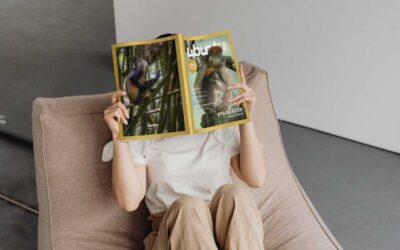
Issue 10 – what’s in it?
Let’s start with WildTrack, founded by Zoë Jewell and Sky Alibhai. After working on a long-term project with rhinos in Zimbabwe, they decided to establish WildTrack. Their organization focuses on the crossroads of Indigenous knowledge and the use of AI, aiding in...
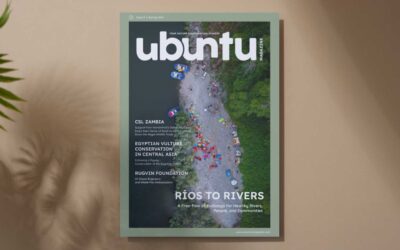
Issue 9 – what’s in it?
Did you know that the Egyptian vulture crosses more than one continent on its migration? From the European Balkan to Africa to Asia, all in one sweep. Conservation of a species can already be daunting in itself, but thinking about trans-border conservation can bring...
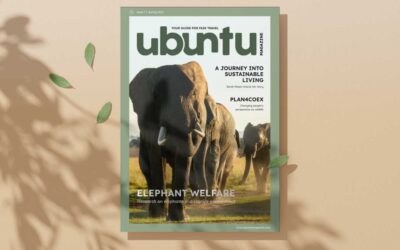
Issue 1 – what’s in it?
In this first article, you’ll get to know Björn Donnars, who talks about his love for meerkats. As a veterinary and wildlife photographer, he has quite an exciting job! His work is combined with conservation through a community-based project, and he shares all of...
Featured stories
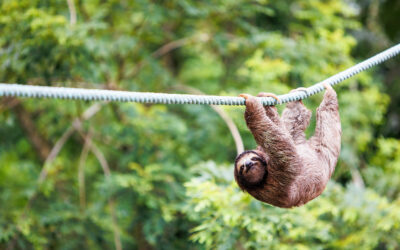
Sloth Conservation Project: Rebecca Cliffe about the Sloth Conservation Foundation
With her heels packed, Rebecca never expected to stay in Costa Rica for long. This is a story of how she runs the Sloth Conservation Foundation.
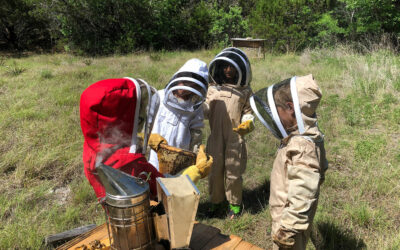
Bees For All: how managed honey bees can play a role in the conservation of wild pollinators
Starting as a one man organization, Peter has thrived in building up Bees For All to engage both children and adults in bee conservation.
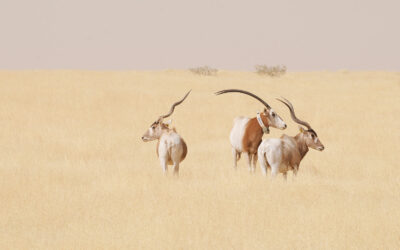
Sahara Conservation: the surprisingly rich Sahara biome
They say the Sahara is empty. But it’s not. John tells us more about the surprisingly rich biome we call the Sahara.