Prof. John Hoogland has conquered severe cold and extreme weather circumstances in his journey researching prairie dogs. At the same time, Dr. Jonathan Losos has always been fascinated by dinosaurs and lizards and found his way into researching anole lizards.
We honor Jane Goodall, who spent her life dedicated to chimpanzees, but who established and achieved so much more. She’s a name many households know, and we are certain that her legacy will continue to live on for many decades to come.
While some come with a childhood dream and get to live this dream for the rest of their lives, this doesn’t have to be the case to be a successful conservationist. Akaz Malassa Bumba had a very different dream: he wanted to become a doctor. Yet a turn of events led him to a path in conservation, and both Angola and its wildlife are lucky to have him! Thanks to Akaz and the rest of the team at the Kitabanga Project, sea turtles once again stand a chance.
For some animals, it’s too late. But that doesn’t mean we have to forget their story. Brothers Kyle and Trevor Ritland are masters at uncovering untold stories. When they were young, their father told them about the Golden Toad, living in Costa Rica. Now, many years later, the golden toad is no more, but the tales and memories live on in the local community. And, thanks to their new book, aptly named ‘The Golden Toad’, you get to read this story now, too.
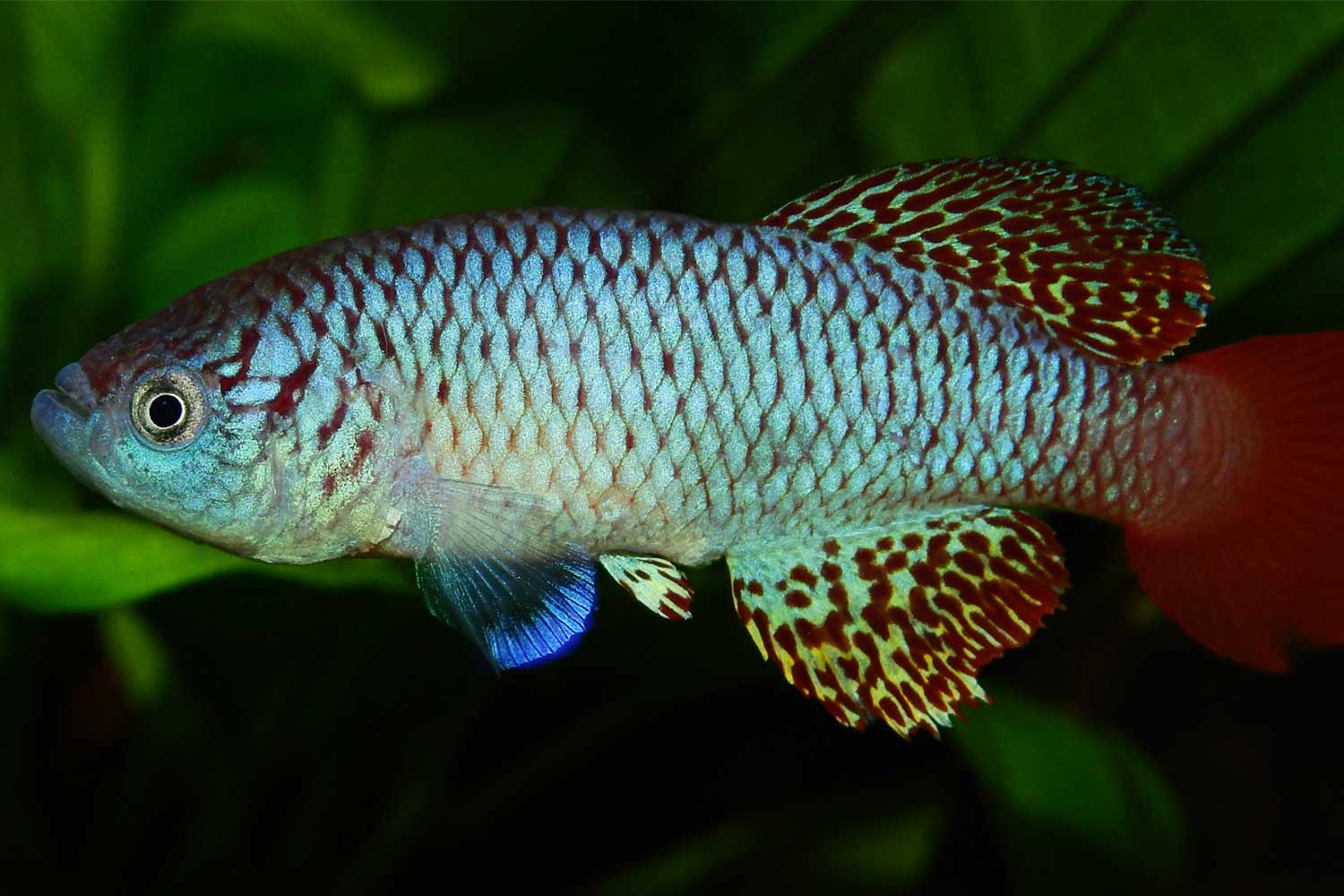
Mike Baltzer also takes us along in his story of founding SHOAL. As a long-term conservationist, Mike had worked with a variety of species in a variety of ecosystems. But when he realized that some species and their decline aren’t even acknowledged, let alone helped in their survival, he knew he wanted to help. So, he founded SHOAL, an organization fully focused on freshwater fish. It’s a story that will move you, even if you think you don’t have any connection to freshwater fish, Mike makes you realize that everyone does.
But conservation doesn’t always have to be focused on one particular species or class. In the case of Saw Moo Shee and his work at KESAN, it’s about so much more. It’s about preserving a legacy of knowledge belonging to the Kesan people from Myanmar, even in the face of extreme adversity. It’s a story of hope and perseverance, from which many people can learn.
In Joosje’s fourth and last article of her series, she shares stories from her course specialization. She visits Romania, where her Wilder Nature specialization takes place, and where she is taught about sustainable community development, among other things. We get a glimpse into her thoughts and learn about the act of becoming a naturalist. Or, as she said so beautifully: “Awaken the naturalist within you”.
Leading an organization is not always the same thing. Many people have different leadership styles and visions of how to run their organization best. Jamartin Sihite, CEO of the Bornea Orangutan Survival (BOS) Foundation, calls himself the ‘conductor’ of the organization, of the so-called ‘orchestra’. And that approach changes everything. He sees his team—and the orangutans in their care—as family. Stronger together, that’s what it’s all about.
When we talk about stronger together, another story from this issue comes to mind. Boglárka Amrein Tamásné Miskolczi is part of our team at Ubuntu Magazine, but does so much more as a conservationist. In this issue, she highlights the work she and her community have achieved in Romonya, Hungary, during the Make A Difference Week organized by the Society for Ecological Restoration (SER). It’s incredible to once again see the fruits of community labor and how one can achieve so much when done together.
And of course, we cover our usual columns like New to Nature, where we highlight the Giant Hummingbird, Endangered Species, where we talk about the Giant Otter, the infographic, which is about kelp forests this time, and our Stargazer, with incredible images from Rebecca Douglas.
Get your copy now and discover these marvelous stories today!